




Arknights: Endfield Tier List Best Characters is a practical ranking for the current live 1.0 era, built to answer one question: who gives the most account value when you want fast progression and strong endgame performance. Hypergryph does not publish an official tier list, so this article uses a conservative approach based on multi-source agreement and on how operators perform in the core meta drivers of Endfield: elemental reactions, team synergy, SP flow, reliability in real rotations, and role compression (damage plus utility in one slot). If you want a list you can actually use, this is written around real team-building decisions rather than isolated DPS screenshots.
This tier list assumes you are building around at least one elemental core (Heat, Cryo, Electric, Nature, or Physical) and you care about consistency across content, not just a single boss. Rankings are not "who has the biggest number", they are "who wins the most fights with the least friction", including how easily the operator fits multiple teams, how hard they are to pilot, and how much they enable other units. It also treats Corrosion as a major meta axis: some of the most valuable supports are strong not because they belong to one element, but because they add universal debuffs, damage amp, or uptime tools that translate across multiple cores.
How This Tier List Works (and What It Is Not)
Endfield is a synergy game. Your damage is not just a character sheet problem, it is a rotation problem and a reaction problem. That means a top-tier DPS that needs the perfect setup can be worse for most accounts than a slightly lower ceiling unit that always works. This list is therefore built on four account-value rules. First, flexibility: the best operators slot into multiple team archetypes without forcing weird compromises. Second, output: damage or mitigation must remain strong in practical rotations, not only in ideal lab scenarios. Third, enablement: supports and debuffers that amplify multiple damage types often outrank narrow specialists, especially when they improve reaction uptime or smooth SP flow. Fourth, reliability: units that are hard to play, require rare teammates, or collapse when content patterns change land lower even if their peak is impressive.
Use this list as a planning tool, not as a reason to ignore what you enjoy. If you already own a unit and like them, you can build around them. The purpose here is to reduce regret on rerolls, early pulls, and investment priorities when resources are tight. Also note one reality of public tier lists: the S/A boundary can vary for a few picks depending on how much a list values comfort, automation, and team requirements. When that happens, this article prioritizes account value and low-friction clears over peak performance with perfect setup.
Tier List Overview (Best Characters by Account Value)
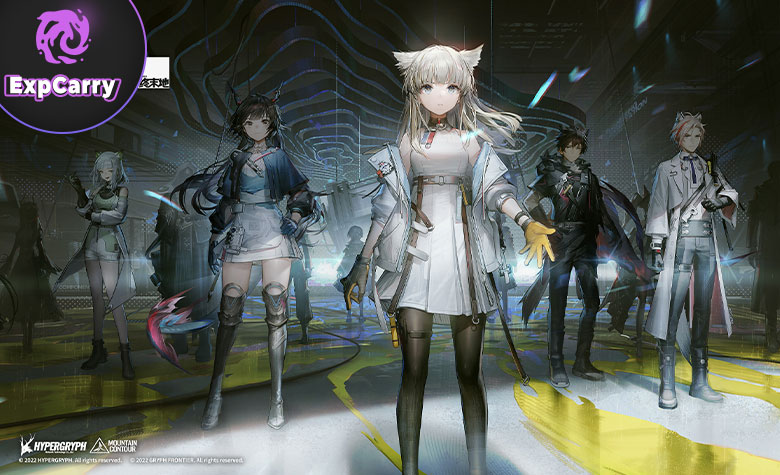
Instead of forcing a single "god tier" that fits every account, this tier list is organized around general performance and team value across the current meta. The names shown here are the ones that repeatedly appear at the top across independent tier lists and meta writeups, with premium Heat and Cryo cores frequently cited as high ceiling, Electric commonly treated as the most accessible baseline, and Nature and Corrosion packages often described as the most future-proof way to raise multiple teams at once through universal debuffs and amplification.
| Tier | Best picks (general) | Why they rank here | Best fit |
|---|---|---|---|
| S | Laevatain, Ardelia, Gilberta, Last Rite, Pogranichnik, Antal | Top-end output or top-end enabling with strong cross-team value and low regret investment | Heat and Cryo cores, Physical carry packages, plus universal support slots |
| A | Yvonne, Avywenna, Akekuri, Lifeng, Xaihi, Perlica | Strong but more team-locked, more execution-heavy, or less universal than the safest S-tier anchors | Cryo packages, Electric baseline, Heat SP engines, reaction uptime support |
| B | Endministrator, Arclight, Estella, Alesh, Fluorite (and similar) | Good early and midgame value, but falls off in optimized endgame or is replaced by higher-impact specialists | Budget builds, hybrid teams, progression-friendly utility |
S Tier: best characters to build around
Laevatain sits at the top of most current lists because she combines high practical damage with strong AoE performance, which matters more than people admit in Endfield since many encounters punish slow wave control. She is also a defining Heat-team carry in multiple meta writeups, meaning she is not just strong alone, she gives you a clear team direction that scales as your roster grows. If you want one character that can carry your account through a lot of content while you learn systems, she is one of the safest high-end investments.
Ardelia is repeatedly called out as a top support because her value is not restricted to a single element. In a synergy game, universal debuffs and amplification tools are often the most future-proof investments because they remain useful even when a new DPS shows up. That is why Ardelia tends to rank alongside the best DPS units, not below them. If you care about account value over raw damage, Ardelia is one of the best picks you can make.
Gilberta is commonly ranked in the top tier because she compresses support value and team amplification in a way that stays relevant across multiple compositions. In practice, units like this define the Corrosion-style advantage: you invest once, and multiple teams get better because your carry hits harder and your reaction windows become easier to maintain. If you want to raise your account floor across content without being locked into one element, Gilberta is a strong long-term anchor.
Last Rite frequently appears as a top-tier damage anchor for Cryo-oriented planning, showing up in meta summaries as a centerpiece for Cryo teams that lean into consistent infliction and reaction uptime. The key account-value point is that when Cryo is built correctly, it performs with high consistency across content because its strength comes from uptime and control, not only from burst windows.
Pogranichnik and Antal are often placed at or near the top in public tier lists because they bring high-impact Physical value when properly supported and tend to scale well as your roster improves. Physical planning can be more expensive than Electric or a simple starter core, but when you commit to it, these units are the kind of carries that justify the investment. For a conservative account-value list, they earn S-tier because they remain relevant as your endgame teams become more specialized.
A Tier: strong picks that need the right context
A-tier units are powerful, but they are either more team-dependent, more execution-dependent, or less universal than the S-tier staples. Yvonne is a good example of why this boundary exists. She is frequently cited as a top Cryo damage piece, but in many accounts she plays more like a high-ceiling anchor that asks for stricter team structure, cleaner rotations, and consistent uptime support to feel effortless. If you can supply the package, she can perform like an S-tier unit. If you cannot, she is more likely to feel like a premium piece that you have to build around correctly.
Avywenna is often highlighted as a strong Electric DPS option and Electric is commonly described as the most accessible and budget-friendly path, which makes Avywenna valuable for accounts that do not open with a premium Heat or Cryo carry. When your roster is limited, a stable Electric core can outperform a half-built premium team because it actually functions. That is why Electric remains the best fallback plan for early progression and consistent clears.
Akekuri appears in multiple team discussions as a key Heat enabler thanks to SP and rotation support. That kind of unit can be quietly S-tier for the specific teams that need them, but A-tier in general lists because they are not as universally required across every account. Lifeng shows up as strong Physical value in discussions that emphasize team structure and utility, and becomes much higher priority if Physical is your main identity rather than a secondary team.
Xaihi and Perlica show up as strong supporting pieces in Cryo and Electric planning, especially where infliction uptime and SP flow decide whether your carry actually performs. These units often shine when you build the full package, but they can feel average if you slot them randomly. That is the A-tier theme: strong in the right shell, not always the best blind investment.
B Tier: useful operators that are not meta anchors
B-tier does not mean bad. It means these operators are less likely to be the reason you clear endgame faster than your friends. Endministrator, Arclight, Estella, and similar units are often described as solid in hybrid setups and practical for progression, but they tend to lose priority when your roster expands and you can run more specialized reaction engines and higher-ceiling carries. They are still valuable if you are building a budget team, if you need role coverage, or if they fill a gap while you wait for a banner.
Many accounts should still invest in B-tier units early because the fastest way to ruin progression is to sit on resources waiting for perfection. If a B-tier unit completes your team structure (healing, infliction, SP support, or a stable damage role), they can be the correct investment for your account even if they are not the top meta recommendation. The difference is long-term: when you reach a point where teams are optimized, B-tier units are usually the first ones to be replaced.
Best Team Directions (what to build first)
If you want the cleanest path to a strong roster, pick one core and build it properly. Heat teams are widely described as premium and extremely powerful when built around Laevatain and supported by strong enabling pieces. Cryo teams are commonly framed around consistent Cryo infliction and reaction uptime with top damage anchors like Last Rite and high-ceiling options like Yvonne when you can support them. Electric teams are often described as the most accessible option with strong budget performance, which is why many players should start there if their early pulls do not produce a premium carry. Nature and Corrosion-style packages are frequently treated as the best way to raise multiple teams at once because universal debuffs and amplification keep paying off even when your DPS roster changes. Physical teams can be strong but are often described as more expensive because they rely on rarer pieces and specific utility, so they reward committed accounts more than casual builds.
In practical terms, your best early plan is this. If you start with an S-tier carry, build that element first and add a universal support like Ardelia or Gilberta when you can. If you do not start with an S-tier carry, build Electric as a stable baseline and only pivot when you have enough pieces to make the new core actually function. Endfield punishes half-teams because reactions and rotations do not come online reliably without the full set of roles and uptime tools.
Reroll and Investment Priorities
For rerolling, prioritize a character that either defines a top meta team or stays valuable regardless of future banners. That usually means the best carries (because they let you clear content now) and the best universal supports (because they remain useful later). In current consensus, Laevatain is the most common "best reroll" target because she is a high-impact carry with strong general use, while Ardelia is a top pick because universal support value tends to age well even as the DPS landscape changes. If you hit either, you can stop rerolling and start building. If you hit a strong universal amplifier (like Gilberta) without a premium carry, you can still build a stable Electric baseline and scale upward as your roster fills out.
For investment, do not spread resources across too many half-built operators. Maxing one functional team beats leveling five characters that do not complete a reaction plan. Upgrade your carry first, then your infliction and SP engine pieces, then your sustain or universal utility slot. When you are stable, you can build your second team around a different element to cover matchup patterns and content types.
Conclusion
The best characters in Arknights: Endfield are the ones that either carry a team by themselves or multiply the carry you already have through universal support, debuffs, and amplification. For the current 1.0 era meta consensus, the safest top picks are Laevatain, Ardelia, Gilberta, Last Rite, Pogranichnik, and Antal, with strong A-tier alternatives that include Electric accessibility and high-ceiling Cryo pieces like Yvonne when you can support their rotation needs. Build one element core properly, keep your upgrades focused, and pick reroll targets that give immediate clears plus long-term account value. That approach will outperform any tier list obsession because Endfield rewards complete teams, not isolated units.