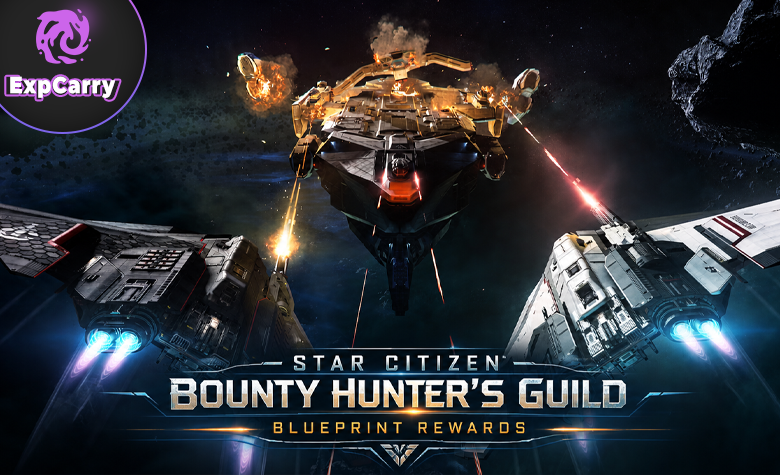

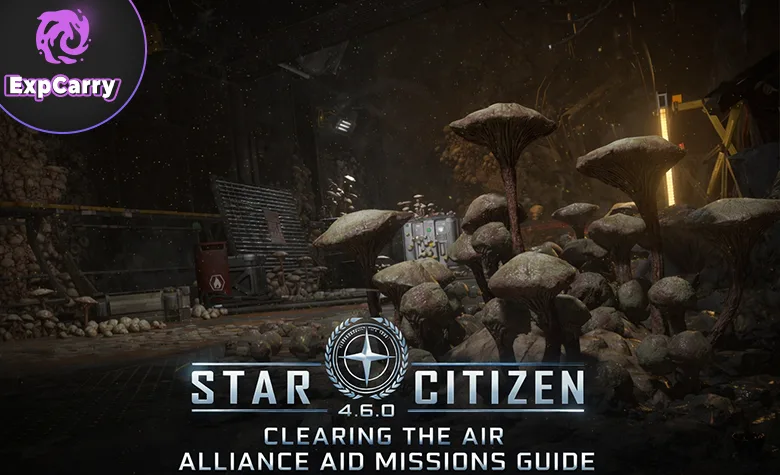
Star Citizen Clearing the Air: Alliance Aid Missions is a limited-time event introduced with Star Citizen Alpha 4.6 LIVE. It is structured around repeatable Alliance Aid contracts that appear as three high-level categories: hauling, collection, and mercenary. In practice, those categories can include several mission archetypes (for example deliveries, gathering/recovery steps, escort/defense tasks, and ship combat objectives), but the operational goal stays the same: complete missions efficiently and consistently to build event progress, while avoiding route choices and mission picks that inflate travel time or increase failure risk. This article sticks to what is publicly documented in official notes and public event references, and focuses on how to run the event cleanly in real sessions.
Clearing the Air is presented as a crisis response centered on Levski, with event activity commonly described across Nyx and Stanton in public references. If you see contracts or public reference lists that also mention Pyro, treat that as situational rather than guaranteed: follow what your contract list actually offers in your current build and session. The mission pool is intentionally mixed so different playstyles can contribute, but the fastest progress comes from specialization: run one primary loop you can repeat with high uptime, keep one fallback loop for bad server sessions, and only switch mission types when it increases consistency rather than variety.
What Clearing the Air and Alliance Aid Missions Are
Alliance Aid is the mission wrapper you interact with during Clearing the Air. In practice, you are taking contracts that either move goods (hauling), handle item objectives (collection), or provide security and direct action (mercenary). The event is not designed as a one-time questline with a single linear chain. It is designed as a repeatable contribution event where the winning approach is steady throughput: reliable completions with minimal downtime. That is why ship choice, route discipline, and mission selection matter more than any single "best mission" headline.
The three contract categories are important because they define what you should bring and how you should plan your session. Hauling is a time-and-handling game. Collection is a procedure-and-inventory game. Mercenary is a tempo-and-objective-control game that often includes escort/defense logic in addition to straight combat. If you pick missions that do not match your ship or your group size, you will still progress, but your progress-per-hour collapses because you will spend more time recovering from avoidable friction than completing objectives.
How to Start and Where to Find Alliance Aid Contracts
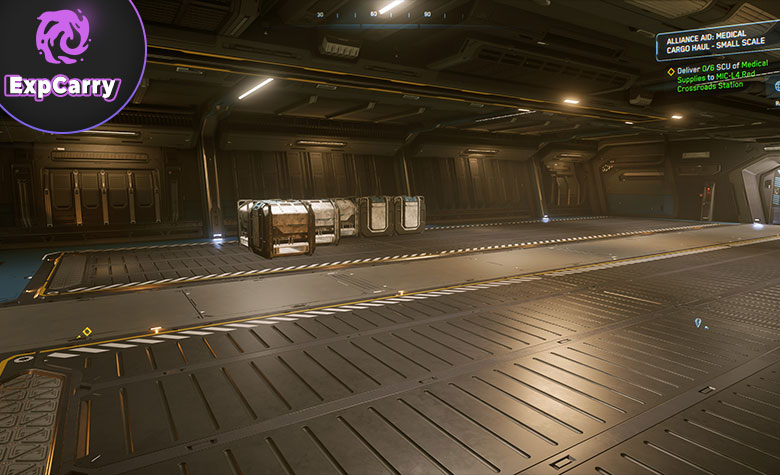
Alliance Aid missions are accepted through mobiGlas Contracts like other content, and the event is explicitly called out as part of Alpha 4.6 LIVE. The fastest start is to treat this like a contract loop rather than a sightseeing tour: log in, open contracts, take only a small stack you can manage cleanly, and begin running a repeated route. When you accept too many missions across too many locations, you create failure points: long travel legs, hand-in confusion, and higher odds that one bugged step wastes the entire run.
For solo players, the safest opening plan is to start with the contract category you can complete with the lowest chance of a hard fail. For many players that is hauling, because success is mostly route execution, but if you routinely hit loading or delivery issues, collection can be more stable in some sessions. For small groups, your advantage is role split: one person stays focused on piloting and landing, one person focuses on mission steps and item handling, and optionally one person focuses on security. For larger groups, avoid the common trap of dragging everyone into every objective. Instead, run a stable logistics spine and keep a smaller combat umbrella that responds only when needed. That pattern keeps the entire group productive instead of idle.
Mission Types, Requirements, and What to Run
The event is publicly described with three high-level contract categories (hauling, collection, mercenary), but the individual missions you pull can still vary in concrete objective steps. The fastest way to get consistent progress is to pick the category that matches your strengths and then run it in blocks long enough to stabilize your route and rhythm. Swapping every mission tends to increase travel time, increases cognitive overhead, and increases the odds you make a small mistake that costs a full contract.
| Contract type | What it tests | What usually makes it fast | Common failure point |
|---|---|---|---|
| Hauling | Route efficiency, landing discipline, cargo handling | Short hops, predictable pads, clean load/unload routine | Overlong routes, stacking incompatible drops, rushed landings |
| Collection | Procedure, item management, step discipline | Clean inventory, no backtracking, finish hand-ins before sorting | Misplaced items, mixed objectives, losing track of hand-in steps |
| Mercenary | Tempo, objective control, survivability | Short fights inside the objective area, role split in multi-crew | Chasing targets away from objective, drifting too far, overcommits |
Hauling missions and repeatable logistics loops
Hauling is the most repeatable contract category for many players because the success condition is mostly under your control: fly, land, move cargo, deliver, repeat. The fastest hauling loop is built on short legs. You want a route where each completion naturally sets up the next pickup without requiring a long reposition. You also want a ship that you can land repeatedly without drama and that does not punish small mistakes with massive recovery time. In practice, that means prioritizing turnaround speed and landing convenience over theoretical top speed. Every extra minute spent finding a safe landing or recovering from a bad approach is a direct loss in progress-per-hour.
Hauling also rewards mission discipline. Do not stack too many deliveries that pull you in different directions, and do not accept a mission pile so large that one bugged delivery step wastes the entire run. If your goal is efficiency, you are better off completing fewer missions cleanly than chasing maximum stacking and then losing time to confusion. The best hauling sessions look boring because they are consistent: same route, same procedure, same completion pattern.
Collection missions and item-handling stability
Collection missions are the fastest for players who are good at procedure and hate long flight legs. The speed comes from minimizing handling friction: keep your inventory clean, avoid carrying extra items you do not need, and maintain a simple rule for where event items live. The common time sink is not combat, it is backtracking. If you miss one hand-in step or lose track of which items belong to which contract, you turn a fast mission into a slow one. The fix is to run collection in blocks and keep the process identical each time.
Collection also benefits from picking missions that match your tolerance for risk. If a collection step places you in a hostile area, treat the entire run like a speed objective: land smart, complete the step quickly, and leave before the situation escalates. Do not linger to loot or explore if your goal is event progress. This is the contract category where small discipline choices compound into a much faster session over an hour.
Mercenary missions, escort logic, and objective discipline
Mercenary missions are where players lose the most time if they treat the contract like free-roam combat. The event value is in mission completion, not in chasing extra kills. The fastest mercenary pattern is to keep fights short and keep them inside the objective context. If the mission is escort or defense flavored, your job is to prevent failure conditions, not to clear the map. That means staying near the protected asset, prioritizing threats that actually impact the objective, and disengaging the moment the mission is complete. Chasing strays across space feels satisfying, but it destroys throughput.
Groups should lean into role split. A dedicated pilot keeps positioning stable, gunners focus on target work, and someone tracks mission steps so you do not drift from the objective. When everyone tries to do everything, the group loses tempo and starts taking avoidable damage, which leads to repairs, claim timers, and wasted travel. Mercenary missions can be a great primary loop if your group is coordinated, but they can also be the worst loop if you are improvising every fight.
Explore services related to this guide, selected from our Star Citizen catalog.
View All Star Citizen Services

Progress Tracking, Milestones, and Rewards

Clearing the Air is fundamentally a contribution event. The practical takeaway is that you should aim for steady completions rather than hunting a single perfect contract. Your best sessions are the ones where you can run the same contract category repeatedly without interruption. If a contract category is unstable in your current server, do not brute-force it for an hour. Switch to your fallback loop and keep progress moving. Community Hub strategy posts for the event exist specifically because players are optimizing repeatable loops for reward chasing, which strongly implies that consistency is the intended path to completion.
Rewards are part of the public conversation around the event, with community-facing guides calling out specific reward targets and focusing on fastest completion strategies. The safest approach is to keep your mindset simple: progress first, rewards second. Finish your required contribution reliably, and do not let reward speculation push you into unstable mission picks. Once you have a stable loop, you can optimize further, but you should only optimize after you have proven the loop is reliable in your own session conditions.
Practical Preparation Plan
The cleanest preparation plan is built around your ship and your session goals. Decide your primary contract category, build one repeatable route, and define a fallback loop that uses a different contract category with different failure modes. Keep your contract stack small enough that you can manage it without confusion. For solo play, bias toward missions with predictable steps and low reliance on fragile objective states. For group play, assign roles explicitly and keep the group productive by running a logistics spine while combat responds only when needed.
Finally, treat troubleshooting as part of the plan. If you see objective markers desync, deliveries not register, or mission steps stall, do not waste an entire session hoping it fixes itself. Switch contract categories, switch routes, or restart the loop. The event rewards repetition, so your goal is not to "win" a broken mission, your goal is to keep completions flowing. The more your run looks the same each time, the faster your overall progress will climb.
Conclusion
Star Citizen Clearing the Air: Alliance Aid Missions is best approached as a repeatable throughput event introduced with Alpha 4.6 LIVE, organized around hauling, collection, and mercenary contract categories. The fastest path is not a gimmick. It is a stable loop you can repeat with low downtime and low failure risk, plus a fallback loop when a contract category misbehaves. Pick the contract category that matches your ship and group size, keep your route short, keep your procedure consistent, and prioritize mission completion over distractions. That approach turns the event from a grind into a predictable progression track you can finish without burning out.