




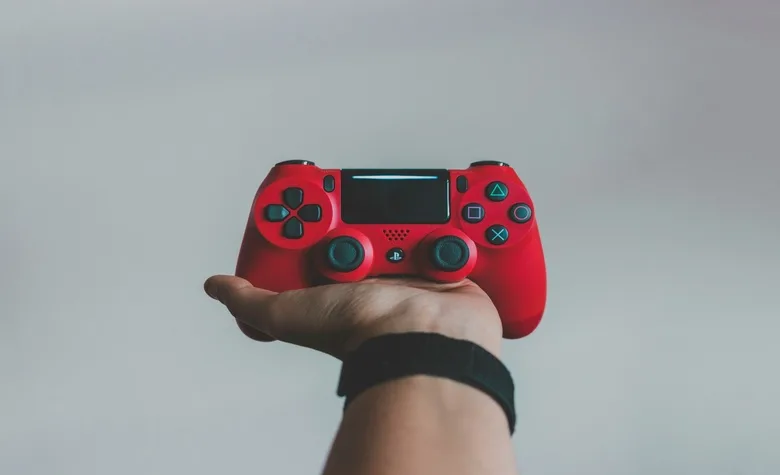
In 2026, the gaming industry has evolved into one of the most influential cultural and technological phenomena of our time. Annual revenues have already surpassed 188.8 billion US dollars, and more than 3.6 billion active players worldwide are now part of the global gaming ecosystem. Gaming is no longer reserved for teenagers or hardcore players. For millions of adults, it has become a natural part of everyday life, regardless of job, age, or lifestyle.
With this rapid growth, the way we experience games is also changing. Instead of long story-driven sessions, many players now prefer short gameplay moments that deliver instant engagement. At the same time, expectations have shifted toward greater control, flexible settings, individual customization, and gamification not only in games themselves, but also in daily activities such as work, learning, and mobile apps.
Short Gaming Sessions as a Response to Changing Attention Spans
In a world where time has become one of the most limited resources, game design has adapted accordingly. Most players today are no longer interested in complex narratives or lengthy tutorials. This shift has fueled the rapid rise of short, accessible games that focus on delivering immediate satisfaction.
The strongest growth can be seen in the segment of so-called hyper-casual and mini-games. These games are extremely easy to use and require no registration or introduction. Their popularity is driven by several key factors:
- Instant access without barriers.
- Smooth performance even on older smartphones.
- Sessions that usually last only 2–5 minutes.
- Immediate rewards or visual feedback after just a few actions.
- The ability to play multiple times throughout the day.
Even major studios are following this trend. Popular titles regularly introduce fast-paced modes with instant matchmaking, while others focus on matches that are completed in just a few minutes. Gameplay becomes part of daily routines, similar to watching a short video or checking a message during a break.
Personalized Gaming Experiences, From Settings to Game Mechanics
Modern players no longer want to simply play. They want to decide how they play. In 2026, this means games must adapt to individual preferences. Some players look for quick sessions, others value visual highlights or familiar themes. Personalization now extends across the entire experience, from the user interface to features such as bonus levels, betting options, or game speed.
This trend is especially visible in digital entertainment games. Players no longer choose content randomly, but actively look for specific characteristics such as structure, volatility, pacing, or thematic design. Many users prefer familiar concepts like classic symbols, adventure settings, fantasy worlds, or mythological themes.
Games that combine several of these elements tend to be especially popular:
- A simple structure with three or five reels and clear rules.
- Visually striking graphics with recognizable bonus elements.
- Flexible stakes that do not interrupt the game flow.
- Themes that players instantly connect with, such as fishing, ancient mythology, tarot symbols, or vibrant visual motifs.
Because these games are easy to access, visually appealing, and highly controllable, they remain successful over the long term. They offer exactly the level of control modern players expect, which is why they align so well with the trends shaping gaming in 2026.
Gamification in Everyday Life: When Tasks Become Games
In 2026, gamification is no longer limited to video games. The underlying logic, complete an action and receive a reward, has become standard across many digital services. Language learning apps, fitness trackers, educational platforms, and e-commerce loyalty programs all rely on game-like mechanics to keep users engaged and motivated.
A well-known example of this approach is language learning platforms that replace traditional lessons with points, levels, and daily streaks. This type of motivation works because users receive immediate feedback, can clearly track their progress, and always know what comes next.
Common gamification elements today include:
- Points or experience gained for completed actions.
- Progress bars that visualize how close users are to their goals.
- Daily or weekly challenges with small rewards.
- Streak systems that reward consistent activity.
- Badges and levels tied to specific milestones.
These mechanics turn ordinary applications into small games. Users feel in control, receive instant responses, and are more likely to stay engaged. This is why gamification is no longer just a trend, but a fundamental way of interacting with digital products.
What Comes Next: Development Scenarios Beyond 2026
Gaming in 2026 is no longer just a product, but an environment that has become deeply embedded in everyday digital life. Games increasingly merge with other digital experiences such as social networks, streaming services, communication tools, and learning platforms. The trends we see today will continue to shape even more profound changes in the years ahead.
Several key directions are likely to define the future:
- Artificial intelligence in games, enabling adaptive characters, dynamic scenarios, and content that responds in real time to player behavior.
- Player-driven gameplay, where users actively shape rules, environments, or even in-game economies.
- Integration into everyday applications, with gaming elements becoming functional components in areas such as finance, marketing, and education.
Conclusion
The year 2026 clearly demonstrates that gaming is no longer a separate reality. It has become part of daily digital interaction, influencing how we perceive motivation, build habits, learn new skills, and even shop online.
Short formats match the fast pace of modern life, personalization satisfies the desire for control, and gamification provides the motivation to stay engaged. Together, these elements form not only a new gaming culture, but also a new digital behavior pattern. To remain relevant in this environment, it is not enough to play. You need to understand how the rules of this new game work and how to use them to your advantage.