



Throne and Liberty PvE becomes much easier once you stop treating every weapon pair like it is supposed to solve every problem. It does not. Some setups are built for boss damage, some are better at clearing packs, some are safer for newer players, and some are there to keep the whole run stable when everyone else is making avoidable mistakes. The fastest way to waste time and materials is to chase several roles at once, spread upgrades across half-finished builds, and end up with a character that does nothing especially well.
This guide is built as a practical PvE roadmap rather than another tier-list summary with no real application. The important choice is not which setup sounds strongest in a vacuum, but which role you want to play most often and which build will carry you through actual progression. Once that part is decided, your stat priorities, skill upgrades, trait choices, and gear decisions become much easier to manage.
The Best PvE Builds by Role
There is no single best PvE build for every piece of content, but there are clear weapon pairs that stand out depending on role and playstyle. Some are better for learning the game, some are stronger for aggressive DPS players, and some are simply the most stable answers if your job is to keep the party alive or hold the front line.
| Role | Recommended Weapon Pair | Main Strength | Best Use |
|---|---|---|---|
| Beginner-safe ranged DPS | Longbow and Orb | Safe positioning and stable damage | General PvE, dungeon progression, early account growth |
| Melee DPS | Spear and Greatsword | Strong boss damage with good AoE pressure | dungeons-service">dungeons-services">Dungeons, trials, mixed PvE content |
| Single-target pressure DPS | Crossbow and Dagger | High boss damage and fast target pressure | Boss-focused PvE and high-uptime play |
| Magic AoE DPS | Staff and Orb | Reliable ranged AoE and strong pack clear | Pack-heavy content and general group PvE |
| Fast farming build | Staff and Spear | Quick clears and strong repeated mob damage | Contracts, open-world farming, routine PvE |
| Tank | Sword and Orb | Stable aggro, sustain, and shield value | Dungeons, trials, frontline group play |
| Healer | Wand and Orb | Strong healing, shielding, and recovery | Group PvE, harder fights, raid support |
Longbow and Orb remains one of the safest and most useful choices for players who want a ranged PvE build with strong consistency and lower execution pressure. It is easier to learn, easier to keep alive, and much less punishing than faster melee or high-APM bossing setups. Spear and Greatsword is one of the strongest melee options if you want real boss damage without turning every pull into a frantic keypress contest. Crossbow and Dagger is one of the best answers for players who want a more aggressive boss-focused setup, but it demands cleaner uptime and better movement discipline.
On the utility side, Staff and Orb is one of the strongest caster pairings for players who want reliable ranged AoE pressure, while Staff and Spear is one of the most practical farming builds when your routine is built around repeated clears and open-world efficiency. Sword and Orb remains one of the strongest modern tank setups because it combines frontline control with sustain, and Wand and Orb remains one of the strongest healer pairings because it gives real throughput and shielding instead of pretending that support can be improvised on top of a damage build.
Best PvE Build for Beginners
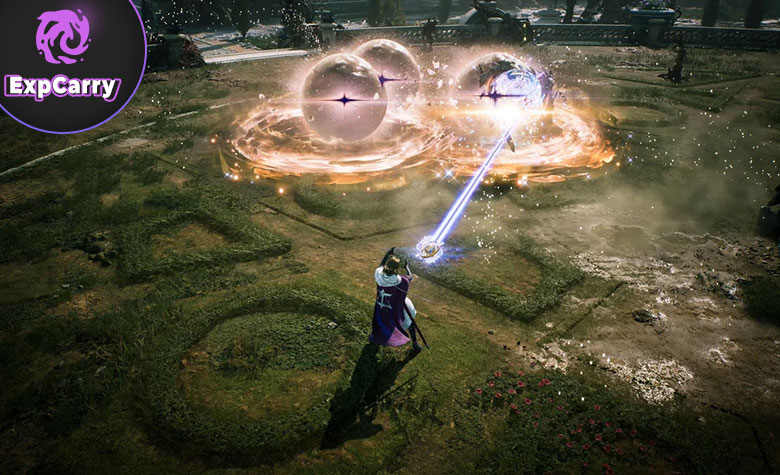
For most new players, Longbow and Orb is the cleanest serious starting point. It gives you safer ranged positioning, stable damage, useful group value, and enough forgiveness to learn mechanics without collapsing every time a fight becomes messy. That matters more for a fresh account than chasing a build that looks stronger on paper but demands tighter uptime, faster hands, and better gear to feel good.
Why Longbow and Orb works so well early
The build succeeds because it stays useful at every stage of progression. It is comfortable in routine PvE, reliable in early dungeon content, and still practical once you start moving into more organized group play. It is comfortable in routine PvE, reliable in early dungeon content, and still practical once you start moving into more organized group play. It also holds up well in Co-op Dungeons when you want a safer ranged option. It does not ask you to live in melee range, it does not punish every mistake as hard as more aggressive damage pairings, and it gives you a much cleaner way to build one stable PvE character before branching into other roles.
The best alternative for defensive players
If you know from the start that you want to tank, Sword and Orb is the more honest beginner route. It gives you a real frontline build with actual survivability, real control, and enough sustain to make dungeon learning less chaotic. Trying to force a damage build into a fake tank role is one of those classic bad ideas that sounds clever right up until the party dies.
Stat Priorities and Gear Direction
Most PvE builds in Throne and Liberty follow a clear stat logic once you stop pretending every character needs the same priorities. Ranged and burst-oriented DPS builds usually want Dexterity and Perception first because accuracy and offensive consistency matter. Melee DPS builds lean more heavily on Strength together with Dexterity, with Perception supporting the build behind them. Tanks care most about Strength and Fortitude, while healers lean hardest on Wisdom with enough secondary support to keep the build alive and stable.
| Build Type | Main Attributes | Core Gear Stats |
|---|---|---|
| Ranged DPS | Dexterity, Perception | Hit Chance, Critical Hit Chance, Heavy Attack Chance, Skill Damage Boost, Max Health |
| Melee DPS | Strength, Dexterity | Heavy Attack Chance, Critical Hit Chance, Hit Chance, Skill Damage Boost, Max Health |
| Tank | Strength, Fortitude | Max Health, Damage Reduction, Endurance, Hit Chance |
| Healer | Wisdom, Dexterity | Sustain, shielding value, healing throughput, cooldown consistency, survivability |
The main rule behind PvE gearing
Reliability comes first. A build that hits consistently, survives mechanics, and keeps functioning in real encounters is always more useful than one that chases greedier damage lines and falls apart the moment the fight stops being convenient. Too many players build around fantasy numbers and then act surprised when their actual performance is worse than a cleaner setup with lower ego and better priorities.
How these stat priorities apply to real builds
Longbow and Orb wants Dexterity and Perception first, then Strength and some Wisdom if sustain becomes an issue. Spear and Greatsword leans into Strength and Dexterity with the usual damage package of Heavy Attack Chance, Critical Hit Chance, Hit Chance, Skill Damage Boost, and Max Health. Crossbow and Dagger follows the same offensive logic, but because it is less forgiving, health and stability matter more than reckless players like to admit.
Staff and Orb and Staff and Spear still follow a damage-first pattern, but they need enough survivability to stay active through longer farming sessions or more punishing pulls. Sword and Orb should be geared around staying alive and holding control, not pretending to be an extra DPS slot, while Wand and Orb should focus on throughput, sustain, shielding value, and survival. A healer that gears like a confused damage dealer usually ends up contributing the one thing a healer should never specialize in: dying first.
Skill Upgrades and Progression Order
The biggest progression mistake in PvE is not usually choosing a completely wrong weapon pair. It is spreading resources across too many plans before one build is finished. The correct order is simple. First, lock in your main weapon pair. Second, upgrade the active skills that define your role. Third, improve the passives that support your real combat loop. Fourth, push your gear and traits toward the stat pattern your build actually needs. People love ignoring that sequence because random upgrades feel productive, but random upgrades are also how characters become expensive garbage.
| Progress Stage | Main Goal | What to Prioritize |
|---|---|---|
| Early game | Make the build functional | Main weapon pair, core active skills, first reliable gear lines |
| Mid-game | Sharpen role performance | Important passives, stronger traits, replacing filler gear |
| Endgame | Refine and optimize | Finished trait combinations, weak-slot cleanup, content-specific tuning |
What damage builds should upgrade first
Damage builds should strengthen the skills that actually define their output. For Longbow and Orb, that means building a stable ranged damage loop first and then improving passives that support uptime and sustain. For Spear and Greatsword, the first goal is improving the active damage tools that drive burst windows and pack pressure. For Crossbow and Dagger, the highest-value boss damage skills come first, followed by passives that preserve uptime and keep the build from falling apart every time movement gets messy.
Staff and Orb and Staff and Spear should focus early investment on the tools that actually improve clear speed. These builds become stronger fastest when their real AoE and burst skills are upgraded early instead of having resources wasted on secondary buttons that barely matter in real farming or dungeon flow.
What tank and healer builds should upgrade first
Sword and Orb needs taunt, mitigation, sustain, and shield value before anything else. Your first job is to control the fight, survive pressure, and keep enemies where they belong. If mobs are peeling off you and shredding the backline, your build is not inventive. It is broken. Wand and Orb needs core healing and shielding tools first, followed by passives that improve sustain and recovery. Personal damage is a side issue. Nobody is inviting a healer because they secretly wanted a weaker DPS with medical accessories.
Solo PvE, Group PvE, and the Smartest First Build
Solo PvE rewards builds that combine damage with stability. Longbow and Orb is one of the best choices if you want a safe all-rounder that handles general progression without constant frustration. Staff and Spear is excellent if your main priority is fast farming and repeated mob clearing. Crossbow and Dagger can also be strong in solo PvE, but only if you are mechanically comfortable enough to keep pressure high without ruining your own rotation every time you need to move.
How group PvE changes the answer
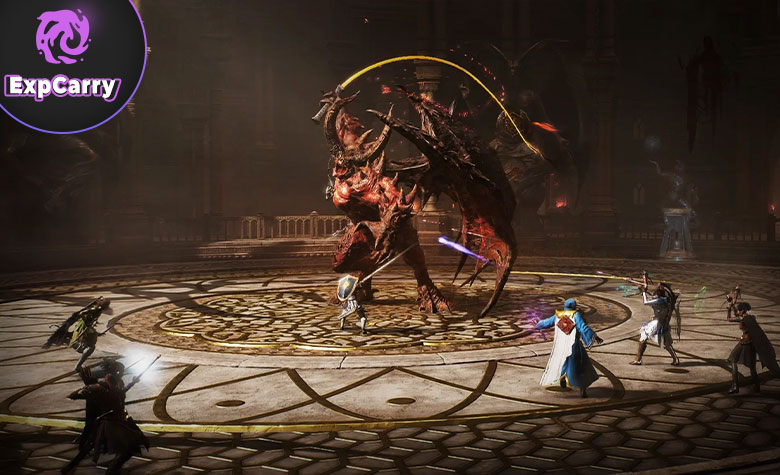
Group PvE is much less forgiving of confused builds. Damage dealers need reliability and uptime. Tanks need durability, control, and threat. Healers need actual healing and stability. Trying to split yourself between multiple half-roles usually helps nobody. The strongest long-term strategy is still to finish one clean main role, learn it properly, and only then branch into a second setup once the first one is already stable.
What you should actually build first
If you want the safest and most broadly useful start, build Longbow and Orb. If you know you want melee PvE, build Spear and Greatsword. If you want a higher-ceiling boss DPS setup and are willing to play it properly, build Crossbow and Dagger. If you want to tank, build Sword and Orb. If you want to heal, build Wand and Orb. The worst option is still trying to build several jobs at once because choosing one feels limiting. That path usually ends with four unfinished setups and one fully developed sense of regret.
Final Thoughts
A good PvE build in Throne and Liberty is not defined by hype or by how many roles it pretends it can cover. It is defined by clarity. The strongest characters are the ones built around a real job, supported by the right stats, upgraded in the right order, and played with enough discipline that their strengths actually show up in content that matters.
If you want steady progression, stop chasing every attractive side path and finish one build properly. A clean main role, coherent gear, upgraded core skills, and solid uptime will carry you further than a pile of half-built alternatives ever will. PvE gets simpler the moment your character stops being a collection of possibilities and starts being a finished answer.