



Catching up in Old School RuneScape is not about rushing one boss, buying one expensive weapon, or copying a maxed player's gear tab like that somehow transfers skill through osmosis. The fastest clean path for a newer player is account progression first, PvM progression second, and high-end content last. That means quests, core unlocks, combat stats, Slayer, useful gear, movement practice, prayer control, mid-game bosses, entry raids, and only then serious high-end PvM.
This OSRS PvM progression guide is built for players who feel behind and want a clear route into harder content. The goal is not to max immediately. The goal is to stop wandering, unlock the systems that actually matter, build a useful combat account, learn boss mechanics in the right order, and move from beginner PvM into raids and endgame bosses without wasting hundreds of hours on the wrong priorities.
The main rule is simple: do not treat high-end PvM as a single jump. OSRS endgame is a ladder. Barrows gloves, Fire cape, key quests, Slayer unlocks, diary perks, player-owned house upgrades, Combat Achievements, Perilous Moons, Vorkath, Zulrah, Phantom Muspah, Tombs of Amascut, Chambers of Xeric, Theatre of Blood, Desert Treasure II bosses, Corrupted Gauntlet, Inferno, and Fortis Colosseum all sit on that ladder. If you climb it in order, progress feels steady. If you skip everything and run into raids unprepared, the game will educate you with violence, as tradition demands.
OSRS PvM Progression Starts With Account Unlocks
The first step toward high-end content is not bossing. It is building an account that has access to the right gear, prayers, spellbooks, transport, quest-locked areas, and repeatable money routes. A weak account with one expensive item is still weak. A strong account has Barrows gloves, key combat prayers, useful spellbooks, teleports, quest weapons, diary perks, a functional player-owned house, and enough stats to swap between Melee, Ranged, and Magic when content demands it.
The most important early account milestone is Recipe for Disaster for Barrows gloves. They are one of the strongest all-around combat upgrades in the game and stay useful across Melee, Ranged, and Magic for a very long time. Finishing Recipe for Disaster also forces the account through many useful quest lines, which is exactly why it works so well as a progression target. It is not just a glove unlock. It is a test of whether the account has stopped being a confused tourist.
After Barrows gloves, the next major unlocks should support combat access and bossing. Monkey Madness I gives dragon scimitar access, Desert Treasure I unlocks Ancient Magicks, Lunar Diplomacy unlocks Lunar spellbook utility, Dragon Slayer II opens Vorkath, Regicide opens Zulrah access, Secrets of the North opens Phantom Muspah, Song of the Elves opens Prifddinas and Gauntlet, and Desert Treasure II opens four major late-game bosses. These quests do not all need to be completed immediately, but they should define the route.
| Milestone | Main reward | Reason it matters for PvM |
|---|---|---|
| Recipe for Disaster | Barrows gloves | Strong combat gloves across all major styles |
| Monkey Madness I | Dragon scimitar | Important early melee weapon path |
| Desert Treasure I | Ancient Magicks | Useful for Slayer, bursting, freezing, and later PvM |
| Lunar Diplomacy | Lunar spellbook | Useful support spells and later account progression |
| Dragon Slayer II | Vorkath access | One of the strongest repeatable money boss unlocks |
| Song of the Elves | Prifddinas and Gauntlet | Unlocks major mid-to-high progression content |
| Desert Treasure II | Four late-game bosses | Opens serious high-end solo PvM targets |
Combat Stats for Moving Into Serious OSRS PvM
A beginner can start learning PvM before max combat, but high-end content becomes much smoother once the account has strong combat stats. The first serious target is base 70s in Attack, Strength, Defence, Ranged, and Magic with 43 Prayer for protection prayers. That is enough for early bossing, Barrows, Fight Caves attempts, Perilous Moons preparation, and basic Slayer progression. The next target is base 80s with stronger Prayer support, because Piety, Rigour, and Augury are major performance upgrades once the account can unlock and afford them.
Prayer progression should be treated clearly instead of being thrown into one vague pile, because OSRS already has enough traps without bad advice joining in. Aim for 43 Prayer early for protection prayers, 70 Prayer for Piety after the required quest unlocks, 74 Prayer with a dexterous prayer scroll for Rigour, and 77 Prayer with an arcane prayer scroll for Augury. Rigour and Augury are not simple level unlocks. They require scrolls, money, and planning.
For catching up, Ranged and Magic should not be ignored. Many important bosses and raids require style switching, safespotting, freezes, powered staves, or strong ranged damage. A melee-only account will hit a wall. A balanced combat account keeps more doors open, which matters more than chasing one impressive stat while the rest of the account looks abandoned.
The realistic high-end preparation target is 90+ in your main combat stats, 77+ Prayer if high-level prayers are unlocked, and enough Hitpoints to survive mistakes while learning. You do not need max combat to start learning raids, but higher stats reduce the punishment for imperfect gear and imperfect execution. Sadly, bosses are not impressed by motivation. They prefer damage rolls.
| Stage | Combat target | Content this supports |
|---|---|---|
| Early PvM base | 70+ combat stats, 43 Prayer | Barrows, Fight Caves practice, early Slayer bosses |
| Mid-game PvM base | 80+ combat stats, 70+ Prayer | Perilous Moons, Vorkath, Zulrah, easier ToA runs |
| Raid learner base | 85-90+ combat stats | Entry and normal Tombs of Amascut, Chambers learning |
| High-end base | 90-99 combat stats, Rigour and key prayers unlocked | Expert ToA, Theatre of Blood, DT2 bosses, Inferno preparation |
Slayer Turns Catch-Up Progress Into Long-Term PvM
Slayer is one of the best long-term paths for a newer player trying to catch up. It trains combat, unlocks stronger monsters, builds money, teaches gear switching, and eventually opens bosses such as Kraken, Cerberus, Abyssal Sire, Alchemical Hydra, and other task-based targets. It is not always the fastest raw XP, but it is one of the most useful account-building systems in OSRS.
The smart approach is to use Slayer after your account has basic combat gear and decent stats. If you start too early with bad gear, weak teleports, no protection prayers, and no useful unlocks, Slayer can feel painfully slow. Once the account has Barrows gloves, dragon defender, good weapons, decent Ranged and Magic setups, basic Prayer support, and useful travel options, Slayer becomes much better. This is where many players begin turning random combat training into structured progression.
Slayer also gets much stronger when paired with utility unlocks. A Slayer helmet, imbued rings, rune pouch, herb sack, seed box, cannon access, fairy rings, useful diaries, and a better player-owned house all reduce wasted time between tasks. These upgrades do not look as exciting as a new weapon, but they make the entire account faster. OSRS is very proud of making convenience feel like a second job.
Do not rush only profitable Slayer monsters while ignoring unlocks. Early Slayer is about building the account. Mid-game Slayer is about unlocking better tasks and bosses. Late Slayer is where stronger money and bossing options appear. Treat Slayer as a bridge between regular combat and serious PvM, not as a side chore you do when confused, though confusion is admittedly a major OSRS resource.
Boss Progression for New Players Entering OSRS PvM
The cleanest boss route starts with mechanics that are simple but meaningful. Barrows teaches gear switching, prayer management, resource planning, and route efficiency. Giant Mole teaches basic boss farming and positioning. Sarachnis teaches prayer switching and movement. Scurrius is designed as an accessible PvM learning boss and helps newer players practice mechanics without needing endgame gear.
After that, move into Fight Caves for Fire cape. Fire cape is one of the most important early PvM milestones because it teaches waves, safespotting, prayer switching, nerves under pressure, and resource management. Even if the stats and gear are not elite, the experience matters. A player who has earned Fire cape usually understands more about PvM than someone with better gear and no mechanics practice.
Once Fire cape and core account unlocks are done, the next targets should be Perilous Moons, Barrows farming, Dagannoth Kings, Vorkath after Dragon Slayer II, Zulrah after Regicide, Phantom Muspah after Secrets of the North, and easier Tombs of Amascut runs. This order creates a natural climb: simple bosses, wave content, mid-game bosses, quest-locked money bosses, then raid learning.
| Progression tier | Bosses or content | Main skill learned |
|---|---|---|
| Beginner PvM | Barrows, Giant Mole, Scurrius, Sarachnis | Prayer use, positioning, supplies, basic mechanics |
| First major milestone | Fight Caves | Wave control, Jad prayer switching, resource discipline |
| Mid-game PvM | Perilous Moons, Barrows farming, Dagannoth Kings | Style awareness, boss cycles, better gear planning |
| Money boss stage | Vorkath, Zulrah, Muspah | Consistent kills, mechanics, profitable repetition |
| Raid learner stage | Tombs of Amascut Entry and Normal | Raid rooms, invocation scaling, multi-phase bosses |
| High-end entry | Chambers of Xeric, Expert ToA, Theatre of Blood learning | Team coordination, advanced switches, cleaner execution |
| Late high-end | Corrupted Gauntlet, DT2 bosses, Inferno, Colosseum | Precision, consistency, advanced mechanical control |
Gear Progression Without Wasting Your Bank
Gear progression should follow content, not vanity. A newer player does not need every expensive item before learning bosses. In many cases, stats, prayers, weapons, and mechanics matter more than small armour upgrades. The practical order is weapons first, prayers second, jewelry and key utility items third, armour upgrades after that. This is not glamorous, but neither is dying in expensive gear because you bought fashion instead of damage.
For melee, the early path should move through dragon scimitar or similar quest weapons, dragon defender, fighter torso or useful mid-game armour, Barrows gloves, berserker ring, abyssal whip, Fire cape, and then stronger upgrades such as Osmumten's fang when the account reaches content where it makes sense. Armour upgrades help, but a better weapon, defender, gloves, cape, prayer, and ring usually do more for real progress than buying decorative metal trousers and pretending that was strategy.
For Ranged, Ava's device should be treated as a core unlock, not a cute side item. Rune crossbow, dragon crossbow, blessed d'hide, blowpipe, crystal equipment, Bow of Faerdhinen, and later raid-tier upgrades all sit on the long-term path. For many accounts, Bowfa progression through Song of the Elves and Corrupted Gauntlet becomes one of the biggest bridges into stronger solo PvM and raids.
For Magic, early accounts can use Iban's staff and other accessible options before moving into powered staff progression such as trident-style weapons. Occult necklace, useful robes, powered staves, and later high-end magic upgrades matter more than pretending robes alone carry the setup. Magic also matters for freezes, utility spells, raids, and bosses where style switching is expected.
The biggest catch-up mistake is buying one expensive item while ignoring unlocks. A player with Barrows gloves, Fire cape, dragon defender, Ava's device, good prayers, useful diaries, a functional POH, and solid stats often performs better than someone who owns one shiny weapon and has no account foundation. OSRS progression is not one purchase. It is a pile of unlocks pretending to be a game.
Perilous Moons, Barrows, and Mid-Game Bosses Build Real PvM Habits
Perilous Moons is one of the best mid-game stepping stones because it gives structured boss encounters without throwing a new player directly into raid pressure. It rewards learning attack patterns, preparing supplies, understanding style matchups, and repeating mechanics cleanly. This is exactly the kind of content newer players should use before trying to act like they are ready for serious raids.
Barrows remains useful because it is simple, profitable enough for many accounts, and teaches repeated runs with prayer and resource control. It also connects well with Morytania progression and early account money. Dagannoth Kings can also become useful once the account is ready, especially for learning positioning and multi-style bossing, though the setup and travel can be less beginner-friendly.
Varlamore content also fits into this mid-game and high-end ladder. Perilous Moons gives newer PvM players a controlled learning space, while later Varlamore PvM and Fortis Colosseum push much harder mechanical demands. A player trying to catch up should not treat every Varlamore boss as the same difficulty just because it lives under the same expansion umbrella. That would be tidy, and OSRS has never been accused of that.
The purpose of this phase is not just loot. It is learning consistency. High-end PvM is less about one lucky kill and more about repeating clean kills under pressure. Mid-game bosses are where players learn to stop panicking, manage supplies, and understand when damage is their fault rather than "lag", the ancient hymn of the unprepared.
Vorkath, Zulrah, and Muspah Push the Account Toward Real Money
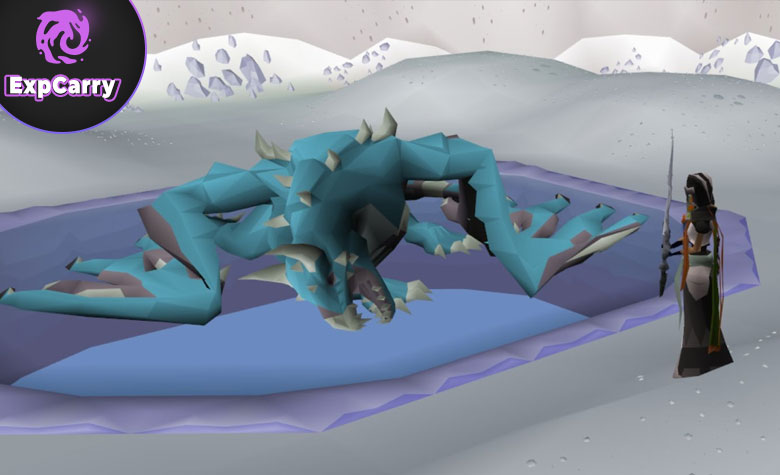
Vorkath is one of the most important catch-up bosses because it is locked behind Dragon Slayer II, rewards consistent practice, and can become strong money once the player learns the fight. It teaches movement, special attacks, prayer setup, and repeatable kill trips. For many players, Vorkath is the point where PvM starts paying for gear instead of gear draining the bank.
Zulrah is another classic mechanical step, but it should be introduced with the right expectations. It requires the proper quest access and teaches rotations, positioning, style switching, and pattern recognition. It can feel harsh at first because the fight punishes confusion quickly, but learning Zulrah makes later PvM easier. Phantom Muspah also fits well as a stronger solo PvM target once the account has Secrets of the North completed and enough Ranged, Magic, and Prayer support to handle the fight cleanly.
These bosses should not be treated as mandatory before every raid, but they are excellent bridges into serious PvM. A player who can farm Vorkath, understand Zulrah rotations, and manage Muspah mechanics is much closer to raid readiness than someone who only trained combat stats at crabs and bought gear with skilling money. Combat stats are useful. Combat experience is what stops the floor from becoming your permanent home.
Tombs of Amascut Is the Best First Raid Target
Tombs of Amascut is usually the cleanest first raid for players trying to catch up because its invocation system lets the player scale difficulty gradually. Entry-level runs teach room mechanics, boss order, supplies, prayer usage, movement, and multi-phase fights without requiring the same level of team pressure as Theatre of Blood. That makes ToA the most approachable raid learning path for many newer PvM players.
The smart route is to start low, learn mechanics, and increase raid level only when clears become stable. Do not rush high invocation levels because a video told you the rewards are better. Better rewards do not matter if the run collapses every time the final phase asks you to move and pray at the same time. OSRS has many ways to make arrogance expensive, and ToA is happy to help.
ToA also gives newer players a useful bridge between solo bossing and full raid pressure. It teaches gear switches, prayer discipline, path choice, supply planning, and scaling difficulty in a way that feels more controlled than jumping straight into Theatre of Blood. Once Entry and Normal Tombs of Amascut clears are stable, the account can branch toward Chambers of Xeric, stronger ToA invocations, and eventually Theatre of Blood learning.
Chambers of Xeric and Theatre of Blood Need Different Preparation
Chambers of Xeric is a natural next step after basic raid confidence. It teaches team layouts, scouting, room knowledge, Olm mechanics, and multi-style combat. It is more open-ended than ToA and can feel confusing at first, but it rewards repetition. Players who want to catch up should not wait for perfect gear before learning CoX. They should enter with decent stats, honest learner expectations, and enough supplies to survive while learning.
Theatre of Blood is less forgiving. Entry Mode can teach basics, but normal ToB expects strong mechanics, fast reactions, team coordination, and clean execution. This is not the best first serious raid for most players. It becomes more realistic after a player has learned ToA, understands switches, has strong combat stats, and can handle pressure without turning every mistake into a team archaeology project.
The key difference is that ToA teaches scalable raid learning, CoX teaches room and team flexibility, and ToB teaches punishment. All three matter, but they do not belong at the same point in progression. A newer player trying to catch up should use ToA first, then CoX, then ToB learning when the account and hands are both ready.
Combat Achievements Give PvM Progress a Cleaner Structure
Combat Achievements are one of the best ways to give PvM progression structure. They push players to fight different bosses, use cleaner methods, complete speed tasks, avoid specific damage, and prove consistency across multiple difficulty tiers. The rewards also improve PvM quality of life, which makes the system worth doing beyond simple completion points.
A newer player should not chase Grandmaster tasks immediately. Start with Easy and Medium tasks, then use Hard tasks as a sign that the account is becoming more capable. As gear and skill improve, Elite and Master tasks become realistic long-term goals. This gives the account a PvM checklist that is more useful than randomly asking "what boss now?" every three days.
Combat Achievements also reveal gaps. If you cannot complete tasks around prayer switching, speed, damage avoidance, or specific mechanics, that tells you what to practice. This is much better than pretending all failures are caused by bad RNG, although OSRS players will keep that excuse alive until the servers are turned off.
High-End OSRS PvM Goals After the Catch-Up Phase
After the account has Barrows gloves, Fire cape, strong combat stats, useful prayers, Dragon Slayer II, Song of the Elves, solid Slayer progress, consistent money bosses, and raid experience, the high-end path opens properly. This is where Corrupted Gauntlet, Expert Tombs of Amascut, Chambers efficiency, Theatre of Blood, Desert Treasure II bosses, Inferno, and Fortis Colosseum become realistic long-term goals.
These goals should not all be treated as the same difficulty tier. Corrupted Gauntlet is a major solo skill check because it removes your gear advantage and forces resource gathering, movement, prayer switching, DPS control, and Hunllef mechanics. Desert Treasure II bosses test strong solo PvM execution. Expert ToA and efficient Chambers push raid consistency. Theatre of Blood requires tighter team performance. Inferno and Fortis Colosseum are true endgame wave challenges where panic, weak pathing, and sloppy prayer control get punished hard.
At this level, catching up stops being about unlocks and starts being about consistency. You need clean switches, low panic, strong pathing, accurate prayer changes, and the discipline to review failures honestly. Better gear helps, but high-end PvM exposes bad habits. The game does not care how expensive your setup is if your mechanics are held together with optimism and cooked karambwans.
OSRS PvM Catch-Up Roadmap From Beginner to High-End
The best catch-up route is a sequence, not a pile of disconnected goals. Start with account unlocks, then build combat stats, then learn simple bosses, then complete Fire cape, then farm mid-game bosses, then unlock money bosses, then learn Tombs of Amascut, then move into harder raids and late-game solo challenges. This route builds the account and the player at the same time.
| Phase | Main goals | Bosses and content |
|---|---|---|
| Account foundation | Barrows gloves, dragon defender, Ava's device, key quests | Quest bosses, early Slayer, basic training |
| Beginner PvM | 70+ combat stats, 43 Prayer, stable gear | Barrows, Giant Mole, Scurrius, Sarachnis |
| First real milestone | Fire cape and better prayer control | Fight Caves |
| Mid-game PvM | 80+ combat stats, better gear, more Slayer | Perilous Moons, Dagannoth Kings, Barrows farming |
| Money boss stage | Dragon Slayer II, stronger Ranged and Magic setups | Vorkath, Zulrah, Muspah |
| Raid learner stage | Entry and Normal raid clears | Tombs of Amascut, Chambers of Xeric learning |
| High-end entry | 90+ combat stats, strong gear, cleaner mechanics | Expert ToA, CoX, ToB learners, Corrupted Gauntlet |
| Late high-end | Elite/Master Combat Achievements, elite gear, mastery goals | DT2 bosses, Inferno, Colosseum, advanced raids |
This roadmap gives newer players a practical way to catch up without pretending the game has one magic shortcut. OSRS rewards layered progress. Every quest unlock, every boss learned, every prayer upgrade, every diary perk, every POH improvement, every gear improvement, and every clean kill makes the next step easier. That is the real catch-up method: build the account properly, then build the hands to match it.
Final Route for New Players Chasing High-End OSRS Content
A newer player should start by turning the account into a real PvM platform. Finish major quests, get Barrows gloves, unlock dragon defender, earn Fire cape, train balanced combat stats, unlock key spellbooks, build useful Prayer levels, improve travel, complete important diaries, and upgrade the player-owned house enough that every trip does not feel like a punishment designed by a bored goblin. This foundation matters more than rushing one boss because high-end PvM demands access, stats, gear, and mechanics together.
After the foundation, move through bosses in a clean order: Barrows, Scurrius, Sarachnis, Fight Caves, Perilous Moons, Dagannoth Kings, Vorkath, Zulrah, Muspah, Tombs of Amascut, Chambers of Xeric, Theatre of Blood learning, Corrupted Gauntlet, Desert Treasure II bosses, Inferno, and Colosseum. Not every player must farm every boss heavily, but learning them in roughly this order builds the right skills without jumping straight into content that punishes every missing unlock.
The fastest way to catch up is not blind grinding. It is targeted progression. Use quests to unlock power, Slayer to train combat and build money, mid-game bosses to learn mechanics, money bosses to fund upgrades, ToA to enter raids, and Combat Achievements to measure progress. Do that, and the account will stop feeling behind. Skip it, and high-end PvM will feel like being invited to a final exam for a class you never attended, which is one of humanity's less charming hobbies.