
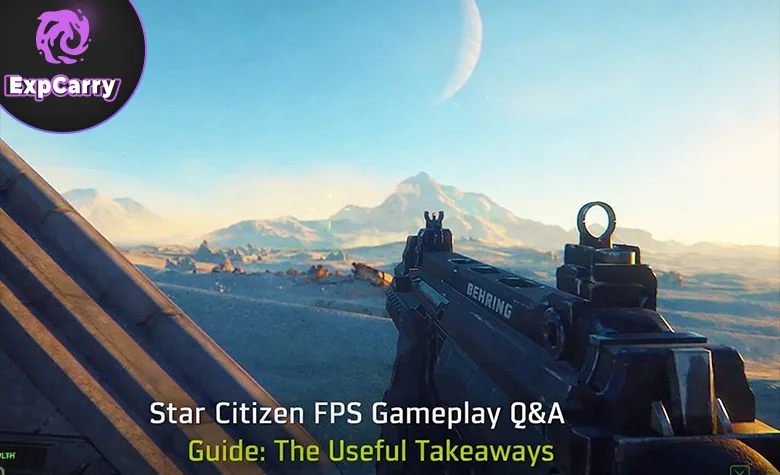
The latest Star Citizen Live focused on FPS gameplay and combat, and the useful part was not a promise that infantry play is suddenly fixed. It was a clearer outline of where CIG wants ground combat to go next. The official weekly schedule placed this Star Citizen Live on March 13, 2026, and the discussion lined up with broader 4.7 signals around new PvEvP locations, updated FPS content, and a larger level-design push connected to Operation Breaker Station and QV Breaker Stations.
The best way to read this Q&A is as a direction check. The strongest takeaways were not about one single weapon or gadget. They were about role-based loadouts, heavier tradeoffs between armor types, more useful tactical tools, and better firefight spaces with more than one miserable choke. That is what matters for players: not whether every feature lands soon, but whether the game is finally being built around clearer jobs, clearer gear identity, and better combat spaces.
The clearest Star Citizen FPS takeaways
The big message from the Q&A is that CIG is trying to move away from the old pattern where heavy armor acts like the default answer to nearly everything. The developers described a direction where armor, helmets, mobility, sound, detectability, and gear choice are meant to support different roles instead of feeding one broad meta loadout. Community recaps of the show framed this as a push toward armor specialization, with stealth, tracking, medical, engineering, and exploration-oriented gear all used as examples of where the system could go.
That does not mean all of those lanes are fully defined or close to complete. It does mean the design target is clearer than before. Players should expect future FPS gameplay to reward choosing gear for the job in front of them rather than dragging the same heavy setup into piloting, boarding, stealth, rescue, and open combat and hoping the downsides stay irrelevant.
- Armor is being pushed toward role identity, not just bigger protection numbers.
- Heavy armor is intended to keep real strengths, but also carry stronger mobility and visibility costs.
- Helmets and suits are being treated more like functional tools and less like generic inventory shells.
- Future FPS updates are being framed around equipment choice, tactical tools, and level design together, not as isolated tweaks.
Armor, helmets, and loadout choices
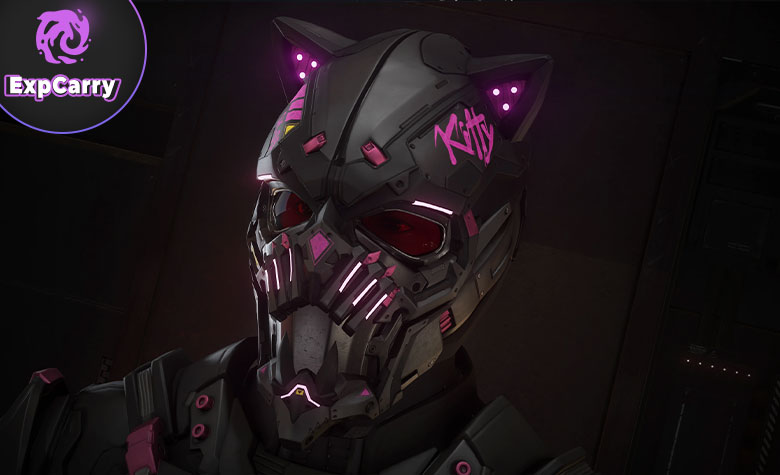
The armor section gave the most practical value because it points directly at how players may need to prepare for different jobs. The Q&A discussion and community recaps both point in the same direction: heavy armor should keep its frontline value, but it should no longer feel like a free upgrade with minor inconvenience attached. Noise, emissions, movement penalties, and handling tradeoffs are supposed to matter more. Lighter and more specialized gear, in turn, is being positioned around stealth, mobility, lower signature, and task-specific utility. Lighter and more specialized gear, in turn, is being positioned around stealth, mobility, lower signature, and task-specific utility. For stealth-focused builds, the Geist “Snow Camo” Armor Set fits that direction.
That is the right direction for a game that constantly mixes ship gameplay, EVA, infantry fighting, infiltration, recovery work, and support roles. If one armor setup stays optimal across all of that, the equipment system is shallow by definition. The useful takeaway here is simple: players should expect loadout choice to matter more, and future balance should make lazy all-purpose kits weaker than they are now.
Armor roles and tradeoffs
| Gear type | Main value | Main downside |
|---|---|---|
| Flight suits | Better fit for piloting, ship operation, and higher-G work | Limited protection in direct infantry fights |
| Heavy combat armor | Frontline durability and support for heavier weapons | More noise, more visibility, lower mobility, worse flexibility |
| Light or stealth-oriented armor | Lower signature, better movement, better infiltration value | Less room for brute-force mistakes in open fights |
| Specialist gear | Better support for jobs like medical, engineering, tracking, or EVA | Narrower usefulness outside the intended role |
The important point is not that every category above is already locked in final form. The important point is not that every category above is already locked in final form. For players looking at travel and EVA roles, the Stirling Exploration Suit matches that kind of specialist gear. It is that CIG is describing an equipment model where role and environment should shape your choice. That lines up far better with Star Citizen's actual gameplay mix than the current habit of treating one bulky combat kit as the answer to everything.
Helmets, EVA, and flight-specific gear
The same logic is being extended into helmets and suits. The Q&A discussion pointed toward stronger separation between gear built for combat roles and gear built for flight, ship operation, or EVA. Community recaps also highlighted dedicated EVA support as part of the broader direction. That matters because Star Citizen blends ship gameplay and infantry gameplay too often to let one helmet and suit combination dominate both without tradeoffs.
For players, the takeaway is straightforward. Gear choice is supposed to become more situational. Combat helmets, flight helmets, and specialist suits are being framed less as cosmetic variations and more as tools that should shape what you do well and what you do badly.
Gadgets and weapons that could actually change firefights
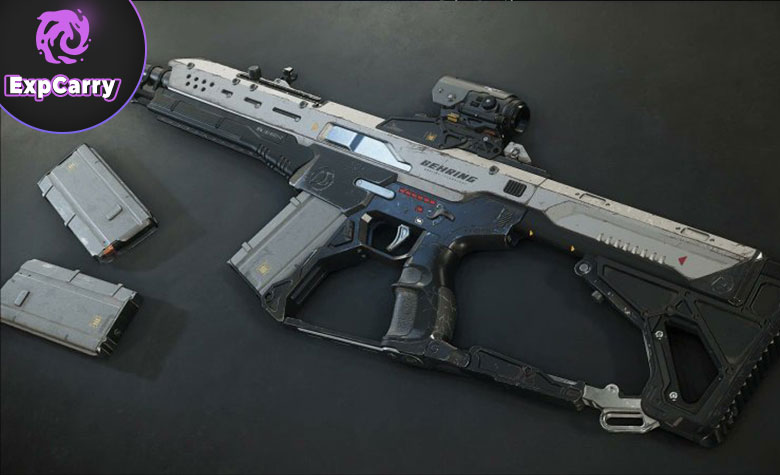
The most useful part of the gadget discussion was that it moved beyond the usual rifle talk. The Q&A and follow-up recaps pointed to deployable shields, breaching charges, and area-denial grenade concepts as examples of where FPS tools could go. Those are the kinds of additions that can change how players enter, hold, and contest spaces. Another gun does not automatically improve combat. Better breaching and control tools actually can.
This also supports the larger role-based direction. Once support, breach, control, and movement tools matter more, squads stop feeling like copies of the same rifleman with different armor skins. That is one of the few realistic ways Star Citizen can make infantry play feel more layered without simply inflating health pools or adding more visual clutter.
Weapon pipeline and Squadron 42 systems
The short-term weapon pipeline mentioned around the stream included new FPS weapons such as a crossbow, other weapon types, and additional tactical tools. The useful takeaway is not that a single weapon will define the next meta. It is that CIG is still trying to widen the FPS toolbox instead of endlessly sanding down the same old staples.
The longer-term point is more important. The developers again connected future Persistent Universe FPS gameplay to systems already built for Squadron 42, including weapon wear, overheating, malfunctions, and broader responsiveness work. None of that guarantees clean implementation, and some of it could become annoying if handled badly. Still, it fits the larger design direction: equipment is supposed to feel more physical, more specialized, and less like flawless arcade gear that works the same in every context.
Explore services related to this guide, selected from our Star Citizen catalog.
View All Star Citizen Services

Level design, route variety, and why 4.7 matters
The strongest practical takeaway for many players was not a gadget or armor detail. It was the admission that older PvEvP spaces often suffered from narrow funnels, weak route variety, and limited options once a fight started. That diagnosis matters because bad layouts flatten every other FPS system. It does not matter how many gadgets or armor roles exist if the map forces everyone through the same miserable lane anyway.
This is where Alpha 4.7 becomes relevant. QV Breaker Stations are already listed as part of the 4.7 roadmap deliverables, and community summaries tied Operation Breaker Station directly to the work of a larger FPS level-design team. That does not prove every new location will suddenly be excellent. It does show that CIG is connecting FPS gameplay improvements to space design, which is exactly what it should have been doing all along.
Why better combat spaces matter more than another balance pass
Good FPS spaces create meaningful decisions. They give squads more than one approach, more than one angle, and more than one way to pressure a position. That makes stealth, flanking, breaching, overwatch, and support roles possible. Bad spaces do the opposite. They reduce the fight to whichever side locks the dominant choke first.
The Q&A direction was useful because it treated layout and firefight quality as part of the same problem. More entries, better cover logic, stronger sightline control, and more traversal options do more for combat than another narrow weapon-stat adjustment ever will. If CIG wants armor and gadgets to matter, the maps have to give those choices room to matter too.
Conclusion
The real value of this Star Citizen FPS Gameplay Q&A was not a miracle fix or a flashy promise. It was a cleaner statement of direction. CIG is talking about infantry combat as a system built from role identity, meaningful gear tradeoffs, tactical tools, and better combat spaces rather than as a pile of disconnected weapon tweaks. That alone makes the stream more useful than a lot of earlier FPS talk, because players can finally see the shape of what the team is trying to build.
That does not mean every feature discussed is close, final, or guaranteed to land exactly as described. Some points still sit closer to design intent than finished implementation, and that distinction matters. But the practical takeaway still holds: future Star Citizen FPS is being framed around preparation, specialization, route choice, and environment-driven decision-making. If Alpha 4.7 and the content around Operation Breaker Station start delivering on that structure, the game will be in a better place than another cycle of shallow balance nudges and one-size-fits-all heavy-kit play. For players, that makes this Q&A worth paying attention to for one simple reason. It gives a better filter for judging future updates. The question is no longer just whether a new gun, armor piece, or location looks good in isolation. The better question is whether each addition strengthens role clarity, tactical choice, and firefight variety. If it does, then Star Citizen FPS is moving in the right direction. If it does not, then it is just more noise layered onto systems that already have too much of it.