
Mists of Pandaria Classic Challenge Modes are not just harder Heroics with a timer attached. They are a separate five-player dungeon format built around speed, route discipline, pull control, and clean execution under pressure. That is exactly why so many first groups misread them. Players walk in expecting raid gear or normal dungeon habits to carry the run, then hit the wall the moment the timer starts, the pulls stay dangerous, and one bad wipe turns a promising clear into a reset.
If you want the direct version first, here it is. MoP Classic Challenge Modes are timed 5-player dungeon runs started at the dungeon entrance through the Challenge Mode console, your gear is scaled down to item level 463, and your result is graded by medal time. The core ladder still revolves around Bronze, Silver, and Gold, while The Thunder King update added a Platinum medal tier and Platinum Coins for higher-end runs. That means Challenge Modes are not really about outgearing content. They are about building a route, respecting utility, and playing fast without turning the run into chaos.
That is why a strong MoP Classic Challenge Modes guide has to do more than list rewards and say "go faster." What actually matters is understanding how the mode works, which group tools save the most time, where Gold timers usually collapse, and how to turn a dungeon plan into a repeatable run. Once you understand that framework, Challenge Modes start feeling much less random and much more solvable.
MoP Classic Challenge Modes get serious once the 463 gear cap and timer take over
The first rule that defines the mode is scaling. In Challenge Modes, gear above item level 463 is scaled down, so the run does not become trivial just because your character picked up stronger raid loot later. That one rule changes everything. It shifts value away from raw item level inflation and pushes it toward routing, consumables, itemization, crowd control, mobility, and pull execution.
This is where weaker groups usually misunderstand the format. Gear still matters, but not in the lazy way many players expect. Better itemized pieces, proper enchants, gems, and consumables still matter because the mode keeps the field tight instead of letting later progression steamroll it. Challenge Modes stay honest for longer precisely because they refuse to become a simple gear check.
MoP Classic Challenge Mode rules punish slow resets and sloppy habits
Once the timer starts, every wasted second becomes visible. These runs are timed for medals, they use a fixed Challenge Mode structure, and they are built to reward planning instead of improvisation. That means weak pull sequencing, unnecessary deaths, poor drinking patterns, and messy movement between packs all matter far more than they do in a normal dungeon clear.
The mode is also started physically at the dungeon entrance through the Challenge Mode console, which reinforces the whole design: this is not queue content, it is a prepared team activity. You gather a full group, walk to the entrance, start the run, and execute under pressure. That alone changes the mindset of the dungeon.
MoP Classic Challenge Mode prep still matters even when gear is normalized
Because Challenge Modes scale power down instead of removing all character choices, preparation still pays off. Enchants, gems, consumables, and smart itemization all keep their value. Enchants, gems, consumables, and smart itemization all keep their value. If you need a faster way to cover those costs, Pandaria Classic Gold US can help with the basic setup. That means a prepared group does not enter "equal" in the practical sense. The group with the cleaner setup, sharper route plan, and better consumable discipline usually starts ahead before the first pull even lands.
The bigger point is simple. Challenge Modes do not reward laziness. They reward players who respect details and then keep those details clean while the timer is running.
All 8 MoP Classic Challenge Mode dungeons test speed in different ways
The current official MoP Classic Challenge Mode pool consists of eight dungeons, not nine. Those dungeons are Temple of the Jade Serpent, Stormstout Brewery, Shado-Pan Monastery, Mogu'shan Palace, Siege of Niuzao Temple, Gate of the Setting Sun, Scholomance, and Scarlet Monastery. That full pool matters because a team that looks smooth in one dungeon can still fall apart in another with a different route rhythm, different danger points, and different pull cadence.
That is one of the first big lessons most groups learn. Challenge Modes are not won by one universal speed style. Some dungeons reward aggressive chaining. Some punish overpulling much harder. Some expose weak boss movement. Others punish downtime between trash packs more than the bosses themselves. Gold-capable groups do not just play fast. They know where speed is free and where speed gets expensive.
| Challenge Mode dungeon | What usually matters most | Why groups lose time here |
|---|---|---|
| Temple of the Jade Serpent | Clean movement and stable trash control | Deaths, weak pull pacing, and messy recovery after mistakes |
| Stormstout Brewery | Fast chaining and efficient movement | Idle time between pulls and route drift |
| Shado-Pan Monastery | Control, discipline, and safe aggression | Overpulling without a real stop plan |
| Mogu'shan Palace | Tempo and strong pack execution | Wasted movement and loose cooldown planning |
| Siege of Niuzao Temple | Trash management and momentum | Slow transitions and unstable large pulls |
| Gate of the Setting Sun | Route precision and clean pace | Small delays that stack across the run |
| Scholomance | Control and efficient target priority | Dangerous casts getting through and forcing resets |
| Scarlet Monastery | Tempo, control, and boss uptime | Overpulling, panic healing, and broken rhythm |
MoP Classic Challenge Mode rewards still make Gold matter and Platinum push the ceiling higher
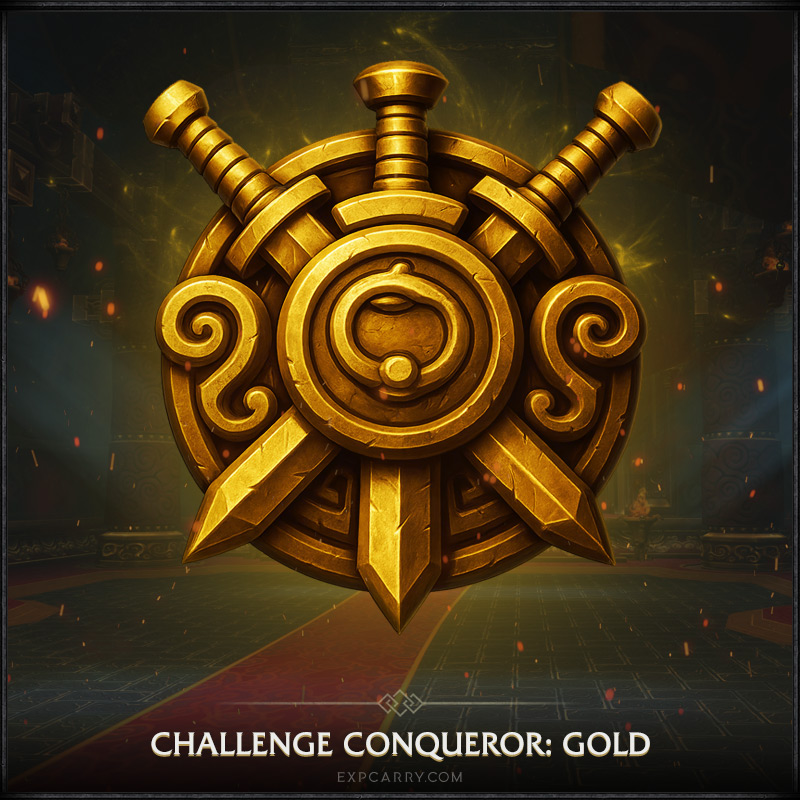
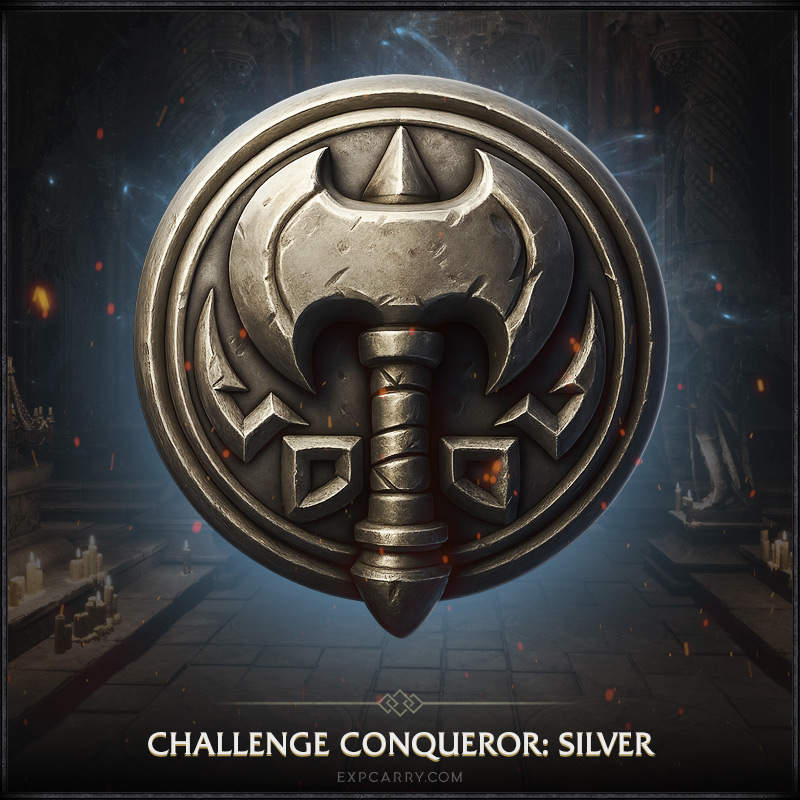
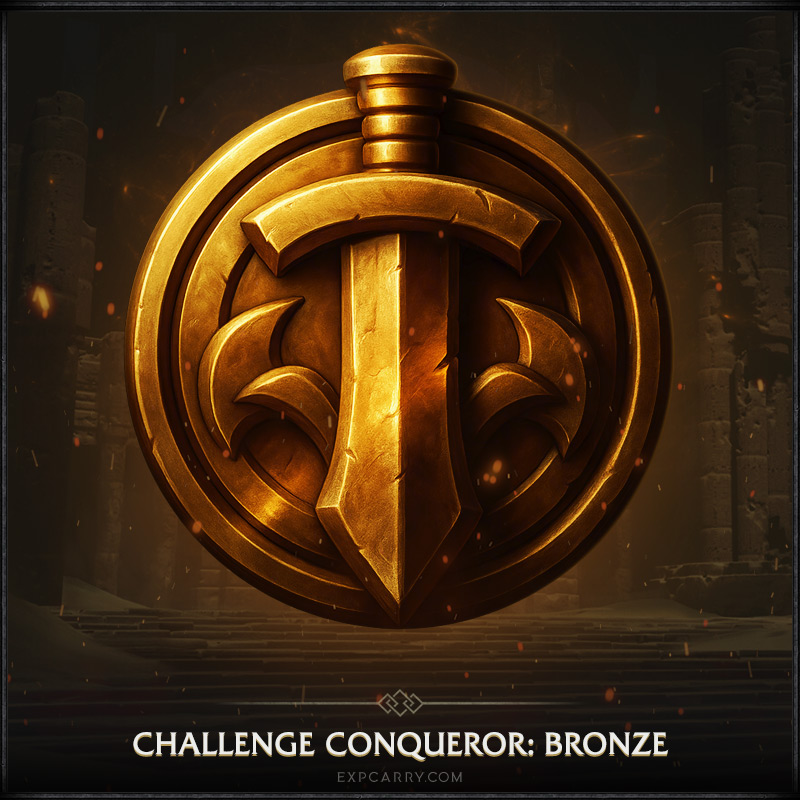
The reward structure is still one of the biggest reasons players care about Challenge Modes in MoP Classic. Bronze, Silver, and Gold remain the core medal ladder most groups chase first. Gold is still the iconic target because it is tied to the most recognizable prestige rewards, while Silver and Bronze still matter for achievements and cosmetic progression. Completing every dungeon with distinction also ties into one of the standout mount rewards players still care about.
The Thunder King update then added a second life to the mode by extending the ceiling upward. Platinum is not there to replace Gold as the classic benchmark. It exists to give stronger groups another layer of optimization once the older medal ladder has already been solved.
MoP Classic Challenge Mode Bronze, Silver, and Gold rewards still drive most runs
Bronze is the entry threshold and the first real full-clear benchmark. Silver raises the execution bar and still matters because it pushes a group closer to clean routing instead of survival clears. Gold remains the classic target for most serious groups because it unlocks the prestige that made original Pandaria Challenge Modes memorable, including the famous transmog chase and the broader sense that your group actually solved the mode instead of simply finishing it.
Gold matters because it proves your team understands the format, not just the dungeon. A group that earns Gold across the full pool has already solved route discipline, pull stability, and recovery well enough to stop treating Challenge Modes like a novelty.
MoP Classic Platinum Challenge Modes add a harder layer without changing the fundamentals
The Thunder King update added a Platinum medal tier and Platinum Coins. Those coins can be used for additional cosmetic rewards, and Platinum runs also give high-end groups another benchmark beyond the older medal ladder. Seasonal rewards tied to exceptionally fast times make the mode matter even more for leaderboard-focused teams.
The important thing is to read Platinum correctly. It is not the new baseline. It is a stricter extension of the same system. If your group cannot hold a clean route, low downtime, and stable execution at Gold pace, Platinum is not a different problem. It is the same problem made less forgiving.
| Reward tier | What it represents | Why players care |
|---|---|---|
| Bronze | Entry completion benchmark | Shows the group can finish the run under Challenge Mode pressure |
| Silver | Cleaner execution benchmark | Pushes groups toward real route discipline and stronger cosmetic progress |
| Gold | Classic prestige benchmark | The iconic target tied to the best-known MoP Challenge Mode prestige rewards |
| Platinum | Top-end speed benchmark | Adds Platinum Coins and extends replay value for optimized teams |
Explore services related to this guide, selected from our Mists of Pandaria Classic catalog.
View All Mists of Pandaria Classic Services


MoP Classic Challenge Mode comps win with utility, tempo, and damage that stays useful
The biggest mistake players make when building a Challenge Mode group is copying raid logic too literally. Challenge Modes do not only reward raw output. They reward damage that remains useful while the group is moving, utility that stabilizes dangerous pulls, and control that prevents panic. That is why the best Challenge Mode compositions are usually built around tempo, not vanity.
A strong comp needs more than one thing to feel good. It wants reliable AoE, repeatable stops, strong interrupts, good mobility, and enough defensive tools to keep large pulls from collapsing. The exact best spec can shift over time, but the structure of a winning group is much more stable than any short-term tier list.
Best MoP Classic Challenge Mode tanks and healers keep the route alive, not just the group
In Challenge Modes, a good tank is not just a survivor. A good tank is a route manager. That means holding large pulls together, moving with purpose, and keeping the pace high without forcing the healer into emergency mode every pack. A good healer follows the same logic. Throughput matters, but Challenge Modes reward healers who can preserve tempo, contribute damage when the route allows it, and keep dangerous moments under control without slowing the run.
That difference matters a lot. In raid, people often judge tanks and healers by survival or raw healing meters first. In Challenge Modes, the better question is whether those roles help the group stay fast while still remaining stable.
Best MoP Classic Challenge Mode DPS picks do more than top the meter
Good Challenge Mode DPS helps the route stay alive. That can mean burst for large pulls, cleave that stays useful while repositioning, strong interrupts, slows, crowd control, off-healing, or simply consistent pressure that does not fall apart when the dungeon starts moving quickly. The faster your route gets, the more valuable that kind of repeatable utility becomes.
That is why the safest way to think about DPS picks is not "what tops logs" but "what helps us finish this route on time without chaos." A group built on that question usually performs better than one built only around theoretical damage.
MoP Classic Challenge Mode routes are where Gold and Platinum times are really won

If your group is losing time, routing is usually where the biggest gains are hiding. Most failed Gold runs do not die because the group is missing a little paper DPS. They die because the pull order is awkward, the movement between packs is too slow, the cooldown plan is vague, or the team keeps improvising the same bad decisions and calling them unlucky. Route quality is where Challenge Modes stop feeling random.
The strongest groups treat routes like repeatable scripts. They know where major cooldowns are committed, which pulls can be fused safely, where defensive risk is actually worth the seconds gained, and which moments need strict interrupts or stops. That is the level where Gold becomes consistent and Platinum starts looking realistic.
MoP Classic Challenge Mode prep starts paying off before the first pull
Because scaling keeps the content honest, small preparation edges stay relevant. Proper enchants, consumables, gems, and route planning all still matter. A well-prepared group enters with assigned cooldowns, agreed pull order, and a real understanding of which mobs threaten the run. A weaker group enters hoping they can figure it out as they go. That difference shows up fast once the timer starts.
Preparation also matters at the group level, not just the character level. Everyone should know where the dangerous pulls are, which stops matter most, when to commit burst, and how the team recovers if something goes wrong. Challenge Modes become much cleaner when five players are solving the same route instead of improvising five different ones at once.
MoP Classic Challenge Mode mistakes that quietly ruin good timers
The most common mistake is overpulling without a cooldown plan. The second is underpulling out of fear and then bleeding time across the whole dungeon. The third is treating interrupts and stops like optional polish instead of timer protection. Once one dangerous cast gets through, the damage often spreads into panic healing, lost momentum, or a wipe that destroys the medal pace.
Another huge problem is dead space between pulls. Many groups think only boss execution matters, but Challenge Modes punish slow drinking, weak repositioning, late mounts, indecisive movement, and every other tiny delay players usually ignore in standard dungeon content. That dead space adds up faster than most groups realize, and fixing it is often easier than finding another top-tier spec.
How to approach your first MoP Classic Challenge Modes without wasting resets
The best first step is to stop thinking about Challenge Modes as a raw speed race and start thinking about them as controlled speed. Your first successful Gold path usually comes from clean repetition, not hero plays. Pick a route, assign major cooldowns before the key danger pulls, decide where the group can safely chain packs, and make sure every player knows what actually threatens the timer. When a team wipes because nobody knows who is stopping what, that is not bad luck. That is planning debt.
It is also smarter to build early progress around consistency instead of greed. A group that can repeat a stable route with only minor losses is much closer to Gold than a group that occasionally looks explosive but regularly resets. Controlled tempo beats random aggression in this format. Once the run becomes stable, then you start cutting risk back in where the timer really demands it.
If your team is trying to move from completion into real medal chasing, focus on the easiest seconds first. Tighten movement between pulls, reduce drinking downtime, clean up target priority, and stop losing time to avoidable deaths. Most groups do not fail Gold because they are miles away from the timer. They fail because dozens of small mistakes quietly stack into one bad result.
Conclusion
If you want the cleanest answer, MoP Classic Challenge Modes are a dungeon format built to reward execution instead of gear inflation. The runs are timed, they scale your gear to a fixed 463 baseline, they are started at the dungeon entrance through the Challenge Mode console, and they revolve around a medal ladder that still gives Gold real prestige. Then Platinum pushes the ceiling higher for teams that want more than just the classic benchmark.
The best groups do not win because they copied one route and hoped for the best. They win because they understand how the mode works, build around utility and stable tempo, respect preparation, and treat routing like the real boss of the dungeon. That is why Challenge Modes still feel sharp in MoP Classic: every second has to be earned, and the timer exposes every lazy habit that normal dungeon runs let slide.
Gold is still the iconic target for most players because that is where Challenge Modes feel fully solved. Platinum simply gives the format another life above that. For players who enjoy mastering dungeons instead of merely clearing them, MoP Classic Challenge Modes remain one of the most rewarding group PvE formats in the expansion.